Cannabis for Sleep and Everyday Aches: A Massillon, Ohio Guide
A Massillon, OH guide to cannabis for evenings and everyday aches: what research says, products and strains people choose, careful dosing and safety tips.
By Bloom Team
Many Massillon residents ask our budtenders about cannabis for winding down at night or for easing everyday aches after a long day. At Bloom Massillon, we help medical patients and recreational customers find products that fit their routine. This guide covers how people commonly use cannabis in the evening and for comfort, which product types and strains come up most, how to dose carefully, and the safety basics.
One important note first: cannabis isn’t a substitute for medical care. If you have ongoing sleep problems or chronic pain, talk with a healthcare provider, especially if you take other medications.
Cannabis and Sleep: What We Know
Researchers have studied how cannabinoids affect sleep, and the results so far are mixed. Some studies suggest THC can shorten the time it takes to fall asleep and reduce REM sleep, while others point to downsides with nightly use, like tolerance and disrupted sleep when you stop. In short, cannabis affects sleep, but how much it helps varies a lot from person to person.
CBN (cannabinol), a minor cannabinoid that forms as THC ages, shows up in many products marketed for nighttime. Research on CBN is still early. Strains with relaxing-leaning terpenes like myrcene and linalool are also popular in the evening.
Products People Choose for the Evening
Edibles (Gummies, Capsules, Beverages): Edibles take longer to kick in (often 30 minutes to 2 hours) and last longer than smoking, which is why many people take them well before bed. Some nighttime edibles include CBN or melatonin.
Tinctures: Tinctures held under the tongue can kick in faster than edibles, and droppers make small, precise doses easy.
Flower: Smoking or vaping works quickly, but the effects fade sooner than an edible’s. Many people choose indica-leaning or myrcene-forward strains for nighttime.
Topicals: Creams and balms are applied to the skin and don’t produce a high. Some people like them as part of a wind-down routine.
Strains Often Chosen for Nighttime
- Granddaddy Purple: a classic indica with deep purple buds and a sweet, grape-like aroma, often high in myrcene.
- Northern Lights: an iconic indica with earthy, sweet notes, known for a relaxed body feel.
- Bubba Kush: a heavy indica with sweet, hashy, vanilla notes.
- OG Kush: a hybrid with an earthy, pine-and-fuel aroma, popular for evening use.
Availability changes, so check the Bloom Massillon menu or ask a budtender. For more ideas, see our budtender guide to cannabis for sleep.
Good Sleep Habits Still Matter
Cannabis doesn’t replace healthy sleep habits:
- Keep a consistent bedtime and wake time, even on weekends
- Keep your bedroom cool, dark and quiet
- Put screens away 30–60 minutes before bed
- Avoid caffeine in the afternoon and limit alcohol
- Exercise regularly, but not right before bed
Cannabis and Everyday Aches
The body’s endocannabinoid system includes CB1 and CB2 receptors throughout the nervous and immune systems, and cannabinoids like THC and CBD interact with them. That’s why pain is one of the most-studied areas of medical cannabis research. Results vary by type of pain and by person, and much of the research is still ongoing. If you live with chronic pain, a healthcare provider can help you decide whether cannabis makes sense alongside your other care. In Ohio, chronic pain is among the qualifying conditions for a medical marijuana card.
Products People Use for Comfort
Topicals: applied directly to the skin where you want them, without a high. A popular choice for sore muscles after work or a workout.
CBD-forward products: products with more CBD than THC (ratios like 5:1 or 10:1 CBD:THC) let people use cannabis with little or no intoxication. See CBD vs. THC for how ratios work.
Full-spectrum edibles and tinctures: these keep a wider range of cannabinoids and terpenes. Tinctures make it easy to adjust in small steps.
For more, read our guide to cannabis and pain.
Strains People Ask About
- ACDC: a CBD-dominant strain with very little THC, for people who want minimal intoxication.
- Harlequin: another CBD-rich strain with a more balanced ratio.
- Girl Scout Cookies: a popular THC hybrid with a sweet, earthy terpene profile.
Not every strain is always in stock in Ohio; your budtender can suggest similar options.
Dosing Carefully
- Start low, go slow. If you’re new to edibles, start with a low dose (2.5–5mg THC) and wait at least 2 hours before taking more. See our edible dosing guide.
- Time it. Edibles take longer to kick in than smoking, so plan ahead.
- Change one thing at a time so you can tell what’s working.
- Ask your budtender. Bloom Massillon’s team can walk you through formats and strengths. For medical questions, talk with your healthcare provider.
Safety Considerations
- Medication interactions: cannabis can interact with some medications, including blood thinners and sedatives. Check with a doctor or pharmacist.
- Tolerance: regular use builds tolerance. Some people take short breaks to reset; see our tolerance break tips.
- Dependence: frequent, heavy use can lead to dependence. If you find it hard to cut back, talk with a healthcare provider.
- Driving: never drive after using cannabis.
Frequently Asked Questions
Is cannabis a replacement for my medication?
No. Don’t stop or change any medication without talking to your healthcare provider.
Can I use cannabis with prescription medications?
Some interactions are possible. Ask your doctor or pharmacist before combining cannabis with other medications.
Will I build tolerance?
Regular use usually builds tolerance over weeks to months. Using less often, keeping doses low and taking occasional breaks can help.
What THC:CBD ratio should I try?
It depends on how you respond to THC. If you want little or no high, CBD-forward ratios are a common starting point. A budtender can walk you through the options.
Do topicals get you high?
Standard topicals applied to the skin don’t produce a high. Transdermal patches are different and can, so check the label.
Visit Bloom Massillon to talk with our team about products for your evening routine, and join our rewards program for ongoing member perks.
This article is general information, not medical advice. Talk to a healthcare provider about sleep problems, pain or any health concern.
For general information. This post isn't medical or legal advice. Cannabis rules differ between Ohio and Maryland and can change, so check with the Ohio Division of Cannabis Control or the Maryland Cannabis Administration. Talk to a healthcare provider before using cannabis for a medical condition. For adults 21+ and registered medical patients.
More from the Bloom blog.
Education9 min read
What Are THC Drinks? A Complete Guide to Cannabis Beverages
What are THC drinks? How nano-emulsified cannabis beverages work, how fast they kick in, how they compare with alcohol and edibles, and how to dose them.
Bloom TeamNovember 3, 2026
Education5 min read
Cooking with Cannabis: Butter, Oil and Infusion Basics
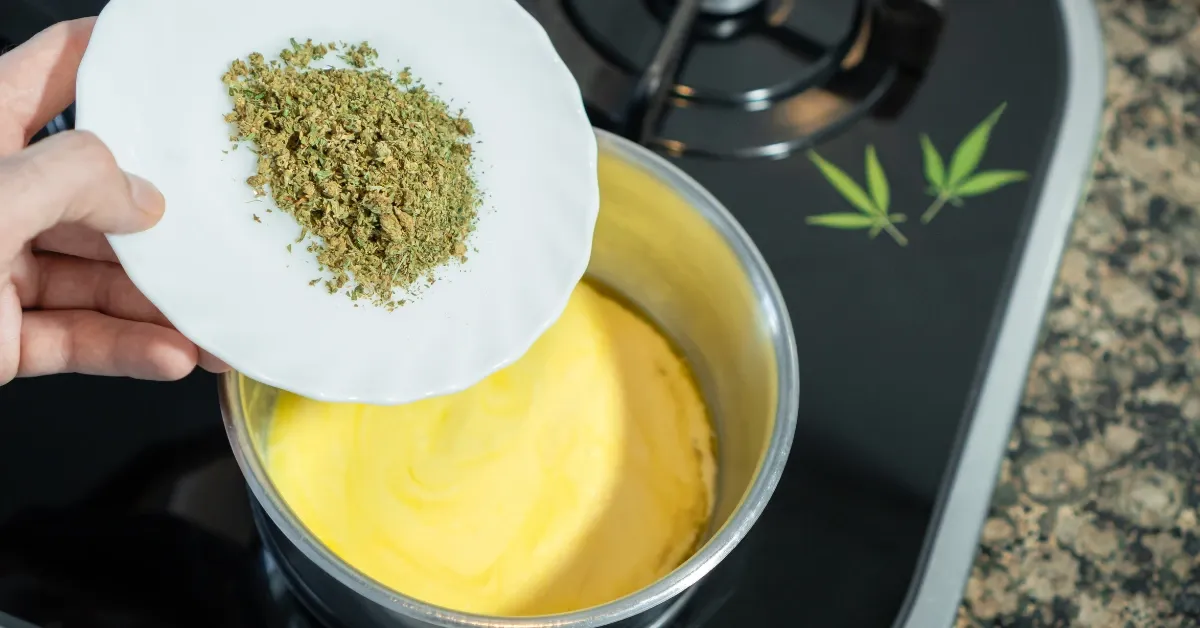
Cooking with cannabis: how to decarb, make cannabutter and cannabis oil, estimate the THC in homemade edibles, and simple recipes to start with.
Bloom TeamOctober 30, 2026
Education3 min read
Cannabis Topicals: How They Work and How to Use Them
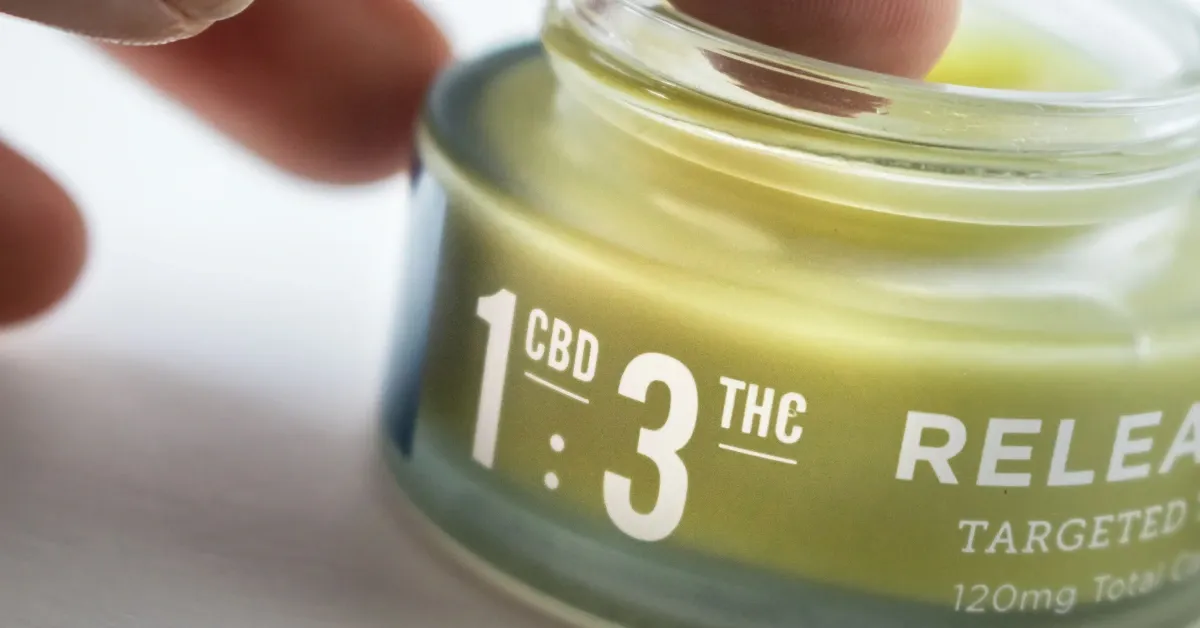
What are cannabis topicals? How creams, balms, roll-ons and patches work, why most don't get you high, how to use them and what to know about drug tests.
Bloom TeamOctober 27, 2026
Earn points, get the deals first.
Join Bloom Rewards free and start with 200 points, plus member-only deals and news from Bloom.
- 200 points for joining
- 1 point per $1 spent
- 100 points = $5
- Member-only deals and drops
Earn at any Bloom in Ohio or Maryland. Pick your store when you sign up.