The Science Behind Cannabis: How It Affects the Brain
How cannabis affects the brain: does weed kill brain cells, what THC and CBD do, what research says about terpenes, and who should be most careful.
By Bloom Team
The interaction between cannabis and the brain has long been a subject of both curiosity and controversy. As cannabis becomes legal in more places, understanding how it affects the brain matters more than ever. This article looks at what current research says about THC, CBD and terpenes and the brain: the encouraging findings, the open questions and the real risks.
Shop Bloom
Live in Maryland or Ohio? Browse our menus and order ahead for pickup.
Note: Much of the research below comes from lab, animal or small human studies. Everyone’s endocannabinoid system is different, and reactions to cannabis vary a lot from person to person. This article is general information, not medical advice; talk with a healthcare provider about any health concerns.
Does Weed Kill Brain Cells?
The idea that cannabis “kills brain cells” is a long-standing myth, and research paints a more nuanced picture. A study published in the Journal of Neuroscience, for example, found that moderate cannabis use in adults wasn’t linked to major changes in brain structure.1 That doesn’t mean cannabis has no effect on the brain, though, and the next sections cover where the concerns are.
Who Should Be Most Careful?
Research consistently points to a few areas of real concern:
- Young people. The brain keeps developing into the mid-20s, and regular cannabis use in adolescence is linked to problems with attention, memory and learning. Cannabis is for adults 21+.
- Heavy, frequent use. Daily or near-daily use is linked to dependence (cannabis use disorder) and to effects on memory and motivation.
- High-THC products. Very potent products, especially with frequent use, are associated with a higher risk of anxiety, paranoia and, in some people, psychosis, particularly for those with a personal or family history of psychotic disorders.
- Pregnancy and breastfeeding. Health authorities advise avoiding cannabis.

Can Brain Cells Regenerate?
The adult brain can generate some new neurons, a process called neurogenesis, especially in the hippocampus. Lab and animal studies have looked at whether cannabinoids, including CBD, affect this process. The findings are interesting, but they come mostly from animals and don’t show that any cannabis product supports brain health in people.
What Does THC Do to the Brain?
THC, the main intoxicating compound in cannabis, binds to CB1 receptors in the brain, part of the endocannabinoid system that’s involved in mood, memory, appetite and pain signaling. That’s what produces the high, along with short-term effects like changes in perception, slower reaction time and short-term memory lapses. Researchers are also studying THC for medical uses, including in FDA-approved synthetic forms, but its effects depend heavily on dose and the person. Read more in our guide to the endocannabinoid system.
How Does CBD Affect the Brain?
Unlike THC, CBD doesn’t produce a high. It interacts with the brain differently, and researchers are studying it for anxiety and other conditions; some small studies have reported changes in how the brain responds to anxiety-provoking situations.2 A prescription form of CBD is FDA-approved for certain rare seizure disorders. Beyond that, the evidence for over-the-counter or dispensary CBD products is still limited, and CBD can interact with some medications.
How Do Terpenes Affect the Brain?
Terpenes are the aromatic compounds that give each strain its smell and flavor. Some, like limonene and pinene, have been studied in lab and animal research for effects on brain chemistry,3 but those results haven’t been confirmed in people using cannabis products. Many people do notice that strains with different terpene profiles feel different. Learn more about cannabis terpenes.
The Bottom Line
The relationship between cannabis and the brain is complex. Research has challenged some old myths, and scientists are actively studying cannabinoids and terpenes for possible uses, but there are also real risks, especially for young people, heavy users and anyone using very high-THC products. If you choose to use cannabis, use it as an adult, start low, avoid daily heavy use, and talk with a healthcare provider about any health concerns.
Visit Bloom
Stop by a Bloom dispensary in Ohio or Maryland, and our budtenders can help you find the right products for you.
Ohio Bloom Dispensaries:
Bloom operates seven Ohio dispensaries, serving registered medical marijuana patients and recreational customers 21+. Choose a city near you:
- Bloom Akron
- Bloom Athens
- Bloom Massillon
- Bloom Painesville
- Bloom Seven Mile
- Bloom South Columbus
- Bloom West Columbus
Maryland Bloom Dispensary:
Bloom serves both medical marijuana patients and recreational customers 21+ at our Germantown dispensary in Maryland, with a curated selection of premium cannabis products.
For general information. This post isn't medical or legal advice. Cannabis rules differ between Ohio and Maryland and can change, so check with the Ohio Division of Cannabis Control or the Maryland Cannabis Administration. Talk to a healthcare provider before using cannabis for a medical condition. For adults 21+ and registered medical patients.
More from the Bloom blog.

Education9 min read
What Are THC Drinks? A Complete Guide to Cannabis Beverages
What are THC drinks? How nano-emulsified cannabis beverages work, how fast they kick in, how they compare with alcohol and edibles, and how to dose them.
Bloom TeamNovember 3, 2026
Education5 min read
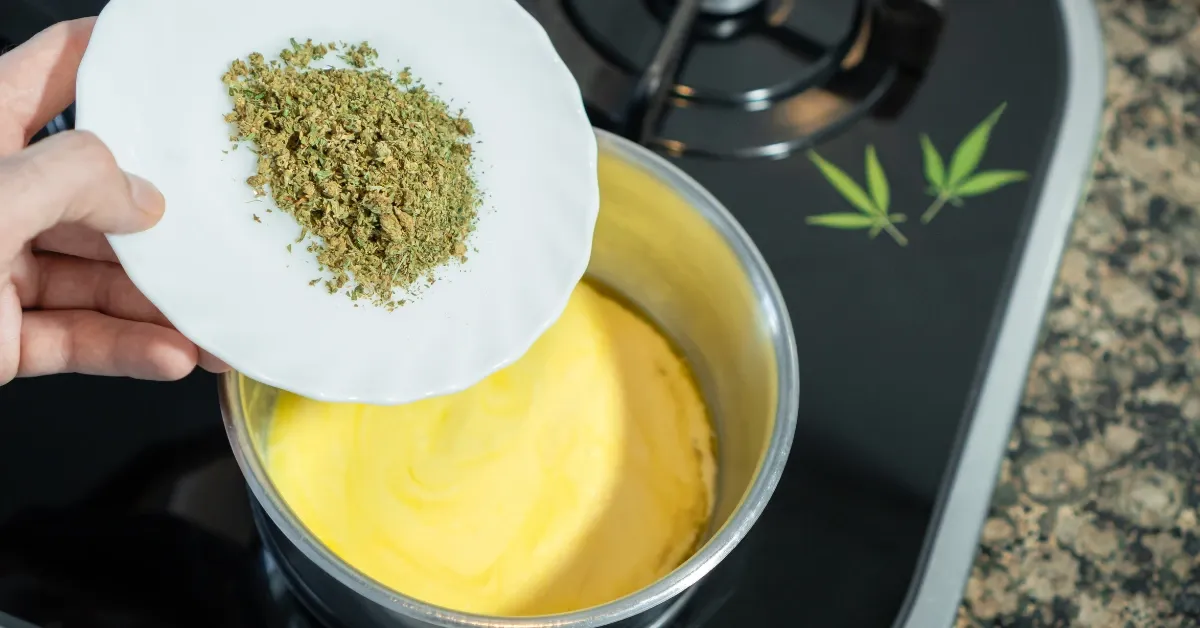
Cooking with Cannabis: Butter, Oil and Infusion Basics
Cooking with cannabis: how to decarb, make cannabutter and cannabis oil, estimate the THC in homemade edibles, and simple recipes to start with.
Bloom TeamOctober 30, 2026
Education3 min read
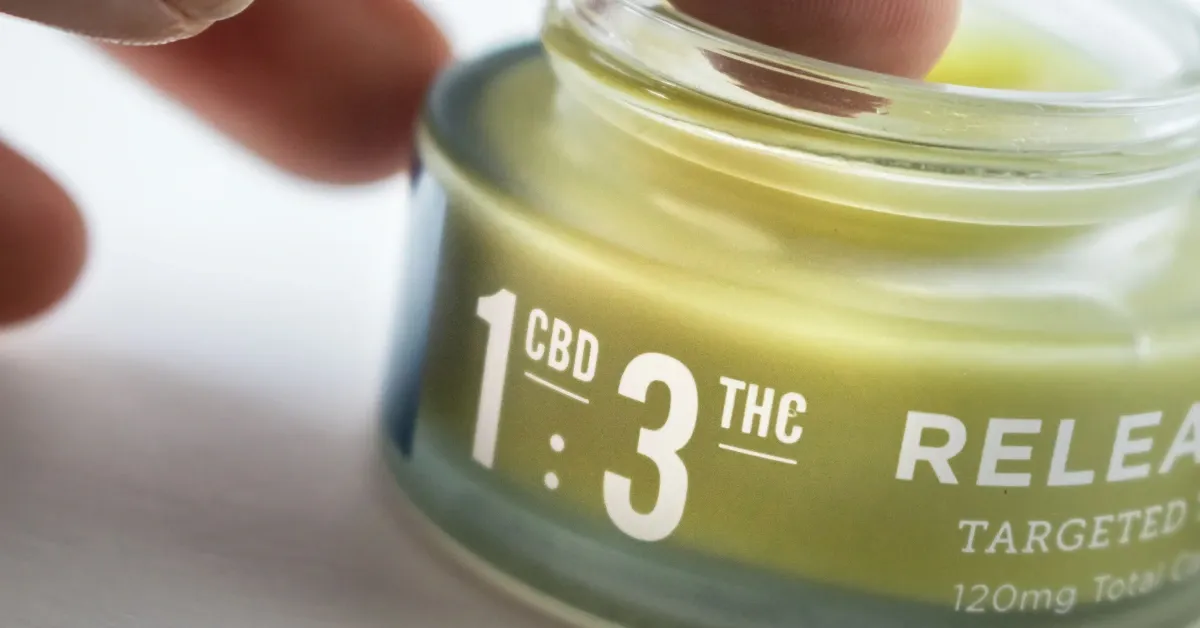
Cannabis Topicals: How They Work and How to Use Them
What are cannabis topicals? How creams, balms, roll-ons and patches work, why most don't get you high, how to use them and what to know about drug tests.
Bloom TeamOctober 27, 2026
Earn points, get the deals first.
Join Bloom Rewards free and start with 200 points, plus member-only deals and news from Bloom.
- 200 points for joining
- 1 point per $1 spent
- 100 points = $5
- Member-only deals and drops
Earn at any Bloom in Ohio or Maryland. Pick your store when you sign up.