Johns Hopkins Study: Medical Cannabis Usage May Extend Older Adults’ Worklife
A Johns Hopkins study found older adults in states with medical cannabis laws reported less pain, better health and stayed in the workforce longer.
By Bloom Team

The majority of human clinical cannabis studies, sorely lacking in the US, use young and working age participants. Even though older adults experience many more health problems, this demographic group has been largely ignored by cannabis researchers. This changed with the publication of a study by Johns Hopkins Bloomberg School of Public Health Policy and Management.
The premise was that medical cannabis laws (MML) may improve the health and employment prospects of older adults. Appearing in the Journal of Policy Analysis and Management on February 6, 2019, the study is titled “The Effect of Medical Marijuana Laws on the Health and Labor Supply of Older Adults: Evidence from the Health and Retirement Study. This article explains the findings of the study.
The summary of the findings of this 20-year study posited that older adults are more likely to drop out of the workforce due to poor health because of medical conditions associated with aging. The researchers examined whether state medical cannabis laws were associated with changes in the health and labor supply of older adults living in those states. Extending the working capacity of older adults may reduce their need to deplete their retirement savings and/or delay applying for social security benefits.
In order to gain understanding of this demographic group, the study examined the effects of several health outcomes of older adults in states with medical cannabis programs.
These included:
- Pain
- Health conditions that limited work
- Self-Assessment of health
- Depression
The research data was collected from 1992-2012, using subjects 51 years of age and older, drawn from the Health and Retirement Study, which tracks health and labor market results for older Americans. It’s important to note that the study compared states with and without medical cannabis laws; it did not measure whether individual participants actually used cannabis.
The results from the analyses were the following:
- Older adults who live in states with MML reported a reduction in pain and an improvement in their general health
- State MML lead to an increase in the number of older adults in the labor force
- Those states with MML showed the largest effect on older adults with at least one qualifying health condition for their legal medical cannabis program
- State MML translated into an increase in the ability of older adults to maintain full-time work for longer periods
The researchers reported these associated changes:
- 8% of participants reported a decrease in pain
- 4% reported an increase in “very good or excellent health”
- 5% increased full-time employment
Pain was the most common reason that older adults sought medical cannabis. Because this kind of study shows associations at the state level, it can’t prove that cannabis itself caused these changes.
A 2018 study, Association Between US State Medical Cannabis Laws and Opioid Prescribing in the Medicare Part D Population, was published in the JAMA Internal Medicine. Conducted by Bradford, et al., the results of the study found that elderly and disabled Medicare patients filled fewer opioid prescriptions in states with medical cannabis programs.
The following declines in prescription refills were as follows:
- 7% for pain medications
- 5% for anxiety medications
- 4% for nausea medications
- 5% for psychosis medications
A 2017 study by Sabia, Swigert and Young indicated that in states with MML, the likelihood of being obese declines by 2-6%. A general trend that researchers noticed in states with MML was a decrease in the number of days reported of a physical and mental health decline. Respondents reported an increase in physical activity.
As medical cannabis usage gains more and more acceptance across the country, the impetus behind publishing this study is to open up policy discussions about changing the laws regarding medical cannabis. The intention is to push for more support for human clinical research trials which are lacking. Removing cannabis from the Schedule 1 Controlled Substance List at the federal level would allow much more extensive research to move forward.
Sources
Abc15.com, Medical Marijuana May Increase Productivity in Older Adults, Johns Hopkins Study Suggests, Zachary Babo, March 20, 2019
Onlinelibrary.wiley.com, The Effect of Medical Marijuana Laws on the Health and Labor Supply of Older Adults: Evidence from the Health and Retirement Study, Lauren Hersch Nicholas and Johanna Catherine Maclean, Feb 6, 2019
For general information. This post isn't medical or legal advice. Cannabis rules differ between Ohio and Maryland and can change, so check with the Ohio Division of Cannabis Control or the Maryland Cannabis Administration. Talk to a healthcare provider before using cannabis for a medical condition. For adults 21+ and registered medical patients.
More from the Bloom blog.

News6 min read
Concentrates Are a Small Corner of the Ohio Market — but the Mix Is Changing Fast
Bloom's 2026 Ohio sales data shows concentrates holding steady at about 1 in 25 items sold, while live badder leads and rosin swings month to month.
Bloom TeamSeptember 1, 2026
News3 min read
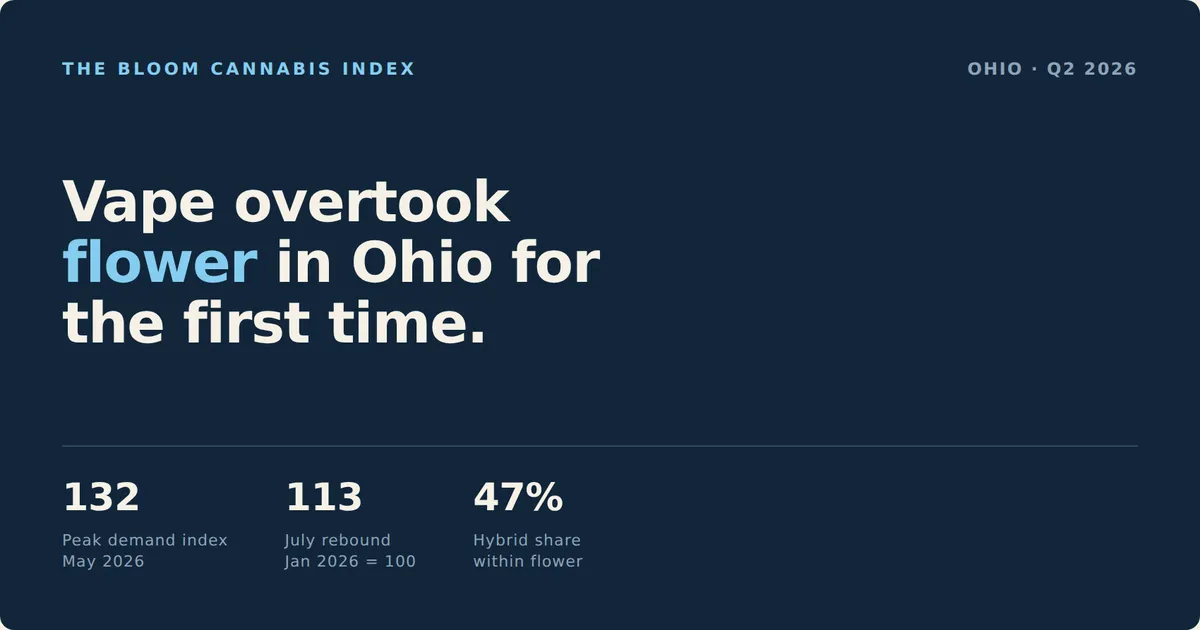
The Bloom Cannabis Index: Ohio Market Report, Q2 2026
Our Q2 2026 Ohio report: vape overtakes flower, extracts hold their gains, and Northeast Ohio leads growth. Unit-volume trends from Bloom's dispensary data.
Bloom TeamAugust 25, 2026
News6 min read
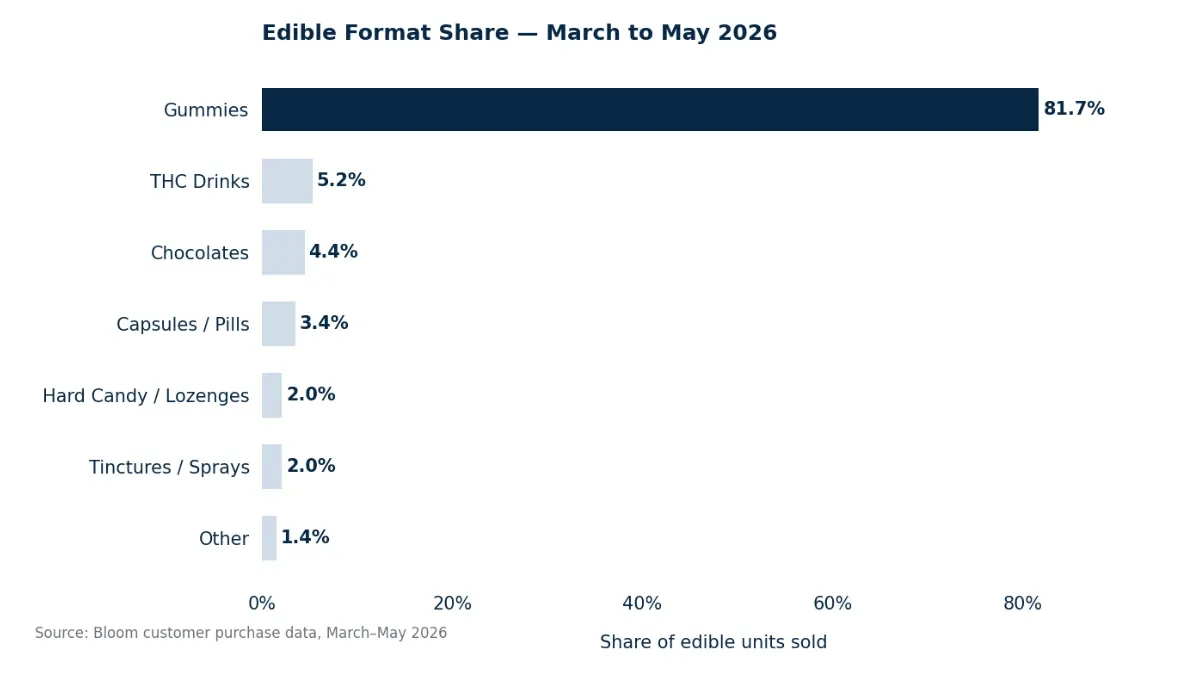
Gummies, Chocolates, or Drinks? How Edible Preferences Actually Break Down
Gummies dominate, but second place is closer than you'd think. How edible format preferences actually split, and how to find the one that fits you.
Bloom TeamAugust 5, 2026
Earn points, get the deals first.
Join Bloom Rewards free and start with 200 points, plus member-only deals and news from Bloom.
- 200 points for joining
- 1 point per $1 spent
- 100 points = $5
- Member-only deals and drops
Earn at any Bloom in Ohio or Maryland. Pick your store when you sign up.