Cannabis and Stress: A Germantown, Maryland Guide
A Germantown, MD guide to cannabis and stress: what research says, CBD-rich strains and products people choose, why low THC matters and how to start low.
By Bloom Team
Busy schedules, commutes and the general pace of life in the DC suburbs leave plenty of people looking for ways to unwind. Some adults include cannabis in their routine, alongside healthy habits like exercise, sleep and time outdoors. This guide covers how cannabis interacts with the body, what research does and doesn’t say about stress and anxiety, the product types and strains people ask about at Bloom Germantown, and how to use cannabis carefully.
An important note first: cannabis isn’t a treatment for anxiety disorders and isn’t a substitute for professional care. If anxiety is affecting your daily life, talk with a healthcare provider.
How Cannabis Interacts With the Body
Your body has an endocannabinoid system (ECS), a network of receptors and signaling molecules involved in mood, stress, sleep and immune function. Cannabinoids like THC and CBD interact with this system, which is why researchers are interested in how they relate to stress.
CBD is non-intoxicating, and it’s being studied for anxiety, though most results so far come from small or short-term studies. THC is the cannabinoid that produces a high. Some people find low doses relaxing, but higher doses can increase anxiety, racing thoughts or paranoia, especially in people prone to anxiety. That’s why careful product choice and low doses matter.
Strains People Ask About for Unwinding
Many people who are sensitive to THC look at CBD-rich and balanced CBD:THC strains:
- Harlequin: a CBD-rich strain with roughly a 5:2 CBD:THC ratio, often described as clear-headed.
- ACDC: a CBD-dominant strain with very little THC, for people who want minimal intoxication.
- Granddaddy Purple: an indica-leaning THC strain with a sweet grape aroma, often high in myrcene and popular in the evening.
Availability changes, so ask Bloom Germantown’s budtenders about current options with similar profiles.
Strains to Approach With Care
High-THC strains can amplify anxiety in some people. If you’re prone to anxiety, be cautious with potent, high-THC sativas like Jack Herer, Sour Diesel or Green Crack, especially at higher doses. Start with lower-THC options and learn how your body responds before trying anything stronger.
CBD Product Types
CBD products let people try cannabis with little or no high:
- CBD tinctures: drops held under the tongue, easy to dose in small amounts. Follow the label’s serving size.
- CBD gummies: edibles with CBD take longer to kick in (often 1–2 hours) and last longer than tinctures.
- CBD topicals: creams and salves applied to the skin, popular for tense muscles. See CBD and THC topicals.
Start Low: Microdosing
Microdosing means using small amounts, often 1–2.5mg THC, to feel a subtle effect without a strong high. It’s a common approach for people who are sensitive to THC. Tinctures and low-dose gummies make it easy. Learn more in our microdosing guide.
Pairing Cannabis With Healthy Habits
Cannabis works best, if at all, as one part of a broader routine. Practices with good evidence for stress include:
- Breathing exercises like box breathing (inhale 4 counts, hold 4, exhale 4, hold 4)
- Meditation, even 10 minutes a day
- Journaling to get racing thoughts on paper
- Movement, from a walk to gentle yoga
- Sleep and limiting caffeine and alcohol
Terpenes People Associate With Relaxing
Terpenes are the aromatic compounds that give each strain its smell and flavor. When people talk about relaxing strains, a few come up often:
- Linalool: the floral terpene also found in lavender. See our linalool terpene highlight.
- Myrcene: the most common terpene in cannabis, with earthy, musky notes, often found in strains described as mellow.
- Beta-caryophyllene: a spicy, peppery terpene that can bind to CB2 receptors in the ECS.
Research on terpenes and mood is early, so treat these as a way to explore, not a guarantee. Ask Bloom’s budtenders for the terpene profile of strains you’re considering.
Frequently Asked Questions
Can cannabis replace my anxiety medication?
No. Don’t stop or change any prescribed medication without talking to your healthcare provider. Cannabis can interact with some medications.
Indica or sativa for relaxing?
Many people find indica-leaning strains more relaxing, but terpene profile and THC level matter more than the indica/sativa label. See what sativa does.
How long does cannabis take to kick in?
Inhaled cannabis usually takes effect within minutes, tinctures within about 15–45 minutes, and edibles within 30 minutes to 2 hours. Wait before taking more.
Can high-THC cannabis make anxiety worse?
Yes. High doses of THC can increase anxiety, paranoia or panic in some people. Start low, especially if you’re anxiety-prone. For more on picking gentler strains, see our guide to strains for the holidays.
What are Maryland’s possession limits?
Adults 21+ can possess up to 1.5 oz of flower, 12g of concentrate, or edibles with up to 750mg total THC. Registered medical patients can generally buy up to 120g of flower (or the equivalent) per 30 days. See Maryland cannabis laws for details.
Visit Bloom Germantown
Our budtenders can walk you through CBD-forward and low-THC options, terpene profiles and dosing.
- Visit Bloom Germantown
- Browse the Germantown menu
- Read more on the Bloom blog
This article is general information, not medical advice. If you’re struggling with anxiety, talk to a healthcare provider.
For general information. This post isn't medical or legal advice. Cannabis rules differ between Ohio and Maryland and can change, so check with the Ohio Division of Cannabis Control or the Maryland Cannabis Administration. Talk to a healthcare provider before using cannabis for a medical condition. For adults 21+ and registered medical patients.
More from the Bloom blog.
Education9 min read
What Are THC Drinks? A Complete Guide to Cannabis Beverages
What are THC drinks? How nano-emulsified cannabis beverages work, how fast they kick in, how they compare with alcohol and edibles, and how to dose them.
Bloom TeamNovember 3, 2026
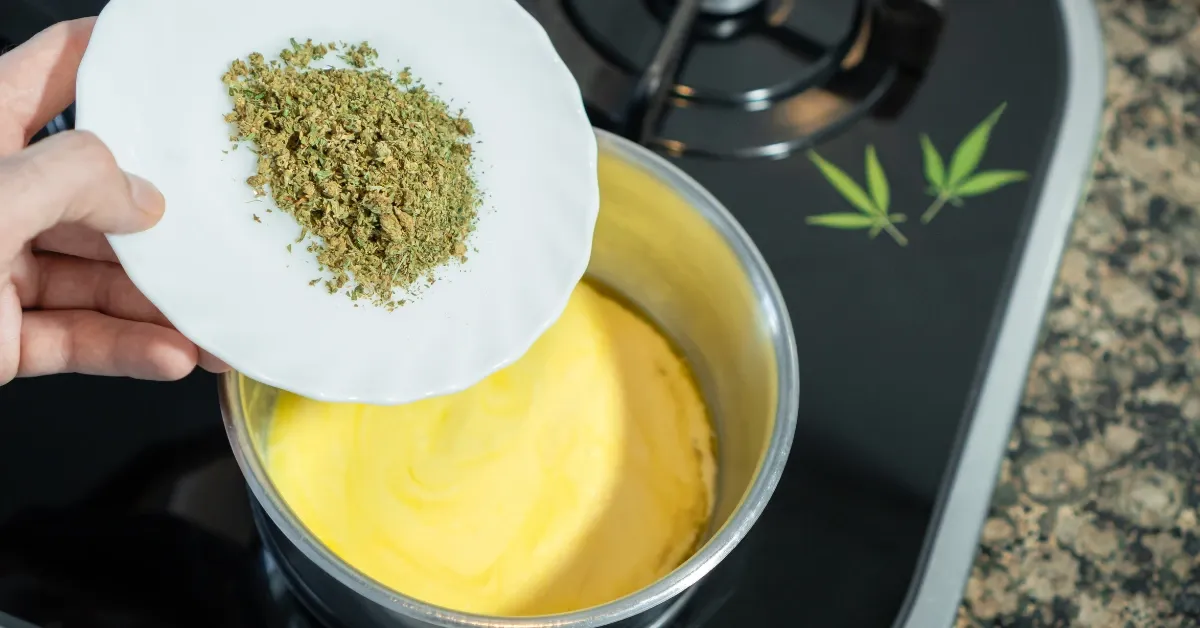
Education5 min read
Cooking with Cannabis: Butter, Oil and Infusion Basics
Cooking with cannabis: how to decarb, make cannabutter and cannabis oil, estimate the THC in homemade edibles, and simple recipes to start with.
Bloom TeamOctober 30, 2026
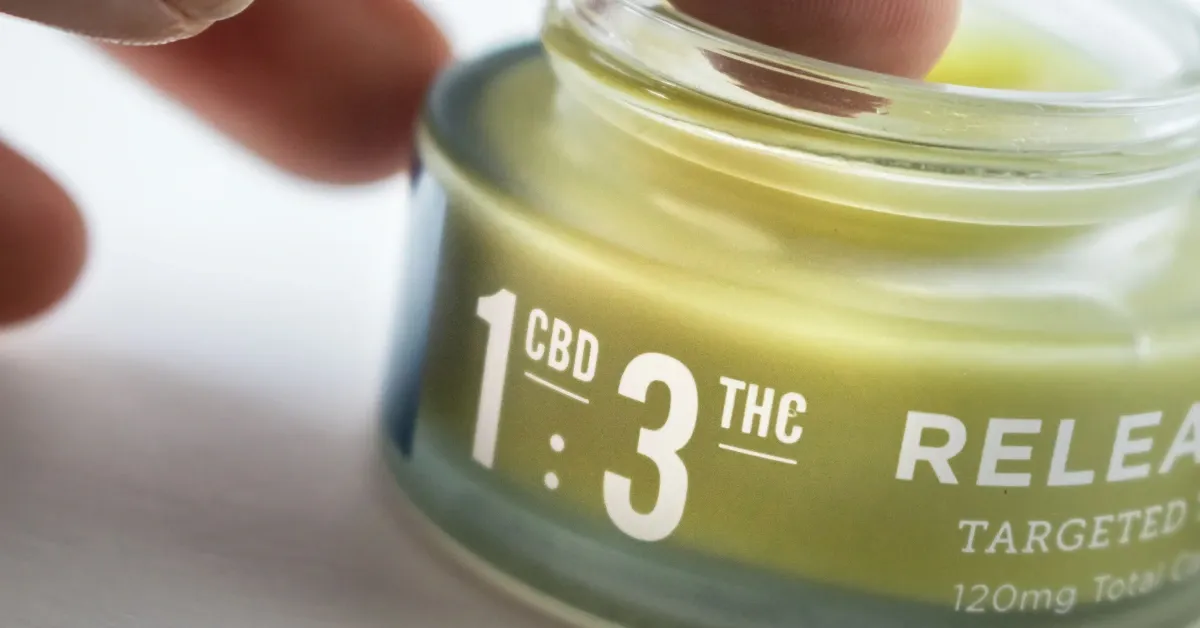
Education3 min read
Cannabis Topicals: How They Work and How to Use Them
What are cannabis topicals? How creams, balms, roll-ons and patches work, why most don't get you high, how to use them and what to know about drug tests.
Bloom TeamOctober 27, 2026
Earn points, get the deals first.
Join Bloom Rewards free and start with 200 points, plus member-only deals and news from Bloom.
- 200 points for joining
- 1 point per $1 spent
- 100 points = $5
- Member-only deals and drops
Earn at any Bloom in Ohio or Maryland. Pick your store when you sign up.